

We cannot create what we cannon imagine.”
-Lucille Clifton, poet
Modeling where writing comes from
While thinking about the quote that Clifton gave the author of Launching Writing Workshop, I cannot help but agree and advocate for the importance of this statement. If we don’t imagine ideas, thoughts, stories, etc. in our minds, then how can we put them into words or pictures on a page? Personally, I want to take this idea of imagination and run with it. I think there are so many things we can get students to think about and write when they are using their brains to imagine. Not only do we want students to do this, but we also want them to imagine themselves as WRITERS. We want them to see themselves as writers in a sense that they know their writing matters and we care what they have to say. In order to get our students thinking and feeling like writers, we have to treat them like writers. What do I mean by this? Well, initially we can begin by talking to them like writers. We can address our students with “Okay, writers- let’s get out those writers notebooks because we are about to open up writers workshop time!” Another way that we can get students engaged in thinking/ feeling like writers is by acknowledging their ideas and stories, talking to them and showing our excitement over their stories. This will give the students agency over their own writing and make them feel proud of what they are producing. Not only are we their teachers, but during writers workshop, we also become their coach. Teachers are coaches as students are writing, meaning we are interacting with the students AS they are writing. This can look like us maneuvering around the room and stopping to have what Calkins calls “table conferences.” These are times where you can stop by various groups of students and observe them as they write while interjecting and encouraging them as they write. There are many things you can say to students but one suggestion that Calkins article gives is that we can show interest in their work as well as help them begin by jotting down all their ideas at the top of the page so they don’t forget all the details they want to include in their writing.
Writers Workshop in the classroom…
What does the writers workshop look like in the classroom? How should I implement writing time to have a writers workshop? What should I teach during writers workshop?
Writers workshop is a time where teachers can model thinking out loud and invite students to write about their own life experiences. When we lead a writers workshop, it is important to focus on a specific strategy that students can use to apply to their writing in their writers notebooks. When you begin a writers workshop, begin with an idea or a topic. One of the ideas from Calkins article is to think of a person and the “moments” that you have memories of with that person. This is a great way to get students thinking about topics, and then brainstorming in order to choose subtopics to write about. During the workshop, teachers should go around and make sure that students are implementing the strategy as well as organizing their thoughts to get them down on paper. Writers workshop can be a time for many discoveries, stories, conversations and common experiences. Common experiences are VITAL when you are making thinking visible for your students. For example, when you are modeling HOW to write, you want to make sure every student has had the same experience so that they can equally contribute to the writing process. One large role of the writers workshop is to help students understand that writing is a process. Writing does not just happen with the snap of your fingers. When starting out with writers workshops in the classroom, we have to let our first topic be something that is accessible to them- something they can see themselves doing.
How to find a topic:
- Think About It
- Speak It
- Write It
Then:
- Draft in front of them (10-15 minutes)
- Model thinking out loud so that they know how writers think (writing is a PROCESS!!)
- Encourage students to have different experiences
- Invite students to hear about you (your own writing)
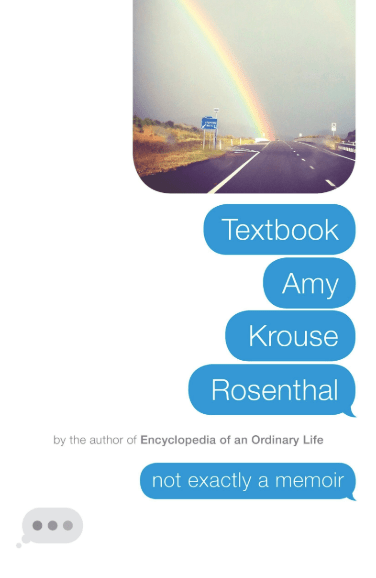
This book is literally so funny and relatable. Rosenthal writes about truth in life, nitty gritty feelings, emotions, actions and thoughts. She is hilarious and her writing process has already sparked so many thoughts in my own mind and encouraged several entries in my personal writers notebook. One of my favorite pages from this section of the book was on pp. 113 where she writes “It is easy to fall in love with someone who passes the time at the airport gate strumming their guitar.” I thought this was so inspiring because I find myself falling in love with Ty (my boyfriend of a year) more and more everyday. So after reading this, I decided to make an entry about the little, quirky things that I love about him. Here is an excerpt from my journal “It’s easy to fall in love with someone who freely gives me his t-shirts, even if they are his favorite ones.” ❤ // One other thought about this book is that it is such a great mentor text for teachers to use because I think that this book is teaching me how to use a mentor text for writing inspiration at a level that I can relate to. There are so many books for our students to use as mentor texts including those read this week; Brown Girl Dreaming and Shortcut. We need to provide our kiddos with examples to mentor their writing daily.
How to get students thinking about using mentor texts to guide their writing…
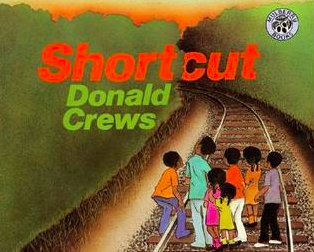
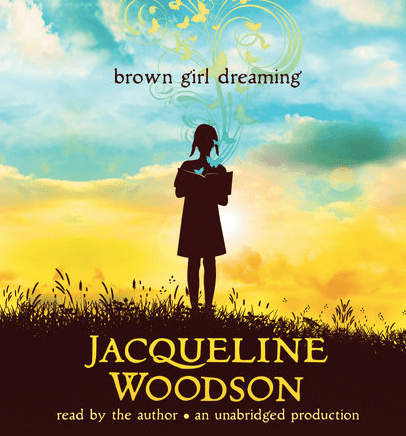
This week I read more of Brown Girl Dreaming by Jacqueline Woodson and Shortcut by Donal Crews. Both of these books serve as great mentor texts for students to gain inspiration for writing. Crews is an #OwnVoice author as he writes a picture book about a true story that happened to him when he was a child. Like Crews, Woodson also writes in #OwnVoice about her life and childhood growing up in the South. Her version comes in the form of short chapters/ entries that she titles all having different topics. Woodson’s book is one that you can pull individual pages out of and read to students to spark a writers workshop or gather writing topics from students. Both books contain families that are African American and tell of children that have fond memories of time they spent growing up at their grandparents homes. Both texts have poetic elements within them, and both sparked thoughts in my mind as I was reading. This is the purpose of a mentor text for us to use with our students.
My ‘Where I’m From ‘ Poem
I am from carmex in the can
From peter pan creamy peanut butter
And dove bar soap.
I am from the white house with green shutters
Gravel driveway and tall pines
It sounds like a symphony when the wind blows
I am from the pink and white azalea trees
The tall grass
With soft white dandelions growing
I’m from the 4th of July cookouts and
Loud voices
From Nathan, and Ashley
And Colton.
I’m from giving big hugs and
Driving with a lead foot.
From choose your words wisely
Don’t let the bedbugs bite
I’m from Jesus loves you and
I know the plans I have for you declares the Lord.
I’m from Western North Carolina
Cornbread and stringing green beans
From the way grandpa Wade smelled his food before he ate it
And the way that Granny prays over every meal.
I am from parents who work hard,
Money isn’t everything, church on Sundays and family first.
I am from honesty is the best policy and always do your best.
I am from treat others the way you want to be treated
And love with all you have.
Resources for teachers:
- http://georgeellalyon.com/where.html
- https://iamfromproject.com/
- https://twowritingteachers.org/2017/08/06/mentor-texts-writing-workshop-fundamentals/
- http://www.sharingournotebooks.amylv.com/
- Launching the Writing Workshop. Calkins, L. M. (2006). A guide to the writing workshop, grades 3-5. Portsmouth, NH: Heinemann

 Ms. Wild's Thoughts