
A student who keeps a notebook can begin to live like a writer– noticing, paying attention, listening, collecting, musing, wondering, playing with language, taking pleasure in her own words.”
It’s a Place
“Why am I keeping this notebook?
Because it’s a place where I can keep track of my life.
It’s a place where I can observe closely
And where I can store little pieces of strength.
It’s a place where I can keep the elements of Life
(lightening, fire, ice, time and space) and Writing
(poetry, words, eyes).
It’s a place where tales weave.
All in all
It’s a place for ME.”
This poem answers the questions beautifully of what all a writers notebook can be to young and mature writers! A writer’s notebook can be a place to dream, wonder and explore according to Ralph Fletcher, author of The Writer’s Notebook. Fletcher makes many valuable points but I think that the ideas that stuck with me the most would be that the notebook provides a safe place for writers to write where there are no fears of grades, corrections or criticisms. Another point he made that I resonated with as an educator is that “writers react.” When students are writing, they are reacting to things going on in their lives, heads and environment and their writing gives an important insight to how we can get to know them better.
Teacher Take-Aways
There were several key teacher take-aways that I feel are worth noting. The first and most important is that we have to have a plan in order to execute the use of writers notebooks effectively in our classrooms. Our students also have to see us actively engaging as writers as well. This will provide value to what we have them do and serve as a good model for how we want kids to use the notebooks. Other key take aways were the two strategies mentioned in the article to help students get started with diverse types of writing in their notebooks. As teachers, we have to break the mold and let students know that there is not a right or wrong way to write in THEIR notebooks. Many students may have the misconception that anytime they write a journal entry it has to be formal and written in paragraphs. However, Fletcher indicates that this is not the case and that students can take writing in all of it’s forms to make journal entries. He says that we should “invite students to bring in photographs, ticket stubs, postcards, letters, item from collection, lock of hair, or anything else thats special to them” to place in their journals as inspiration for writing about their thoughts and feelings.
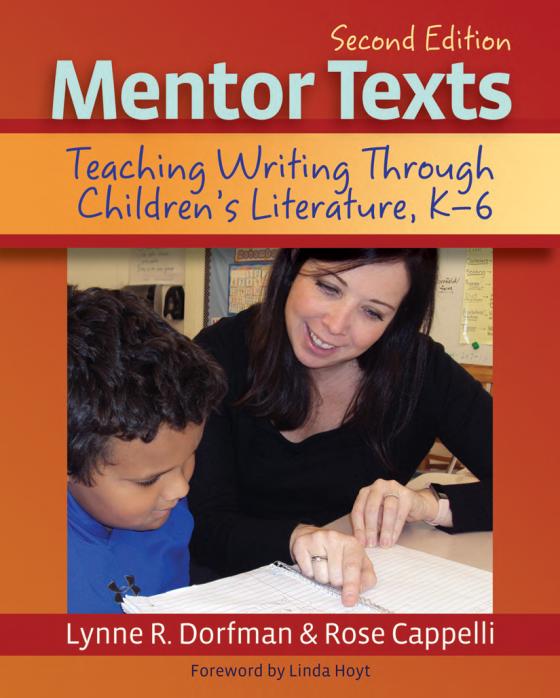
As teachers, we always want to be real and transparent with our students. Dorfman and Cappelli say that “when we write our own memoirs, poems, and essays and share them with our students, we learn to enjoy our writing, and at the same time, we become more real to our students.” This is so important because along with mentor texts, we are the greatest mentors for our students when it comes to writing. I really like how they talk about how readers become writers and that through reading, students can learn about and create their own writing style.
I was fascinated with the questions Dorfman and Cappelli bring up regarding what happened to convince students that they can’t write or do not have the skills it takes to be a “good writer.” This is something I think of often as I am teaching my own students during reading interventions. Sometimes, it is like pulling teeth to get these students to write one sentence because they “don’t know what to write about.” I think this is something we should all think about and transform our teaching to help these students feel more prepared and confident when it comes to writing. Lastly, one of the final take-aways from the Mentor Texts book was the piece about reflection. Reflection is key in writing. Writing really is just one large reflection of our thoughts and feelings on something. But it is also a large component in giving students time to think and actively engage in the writing process.
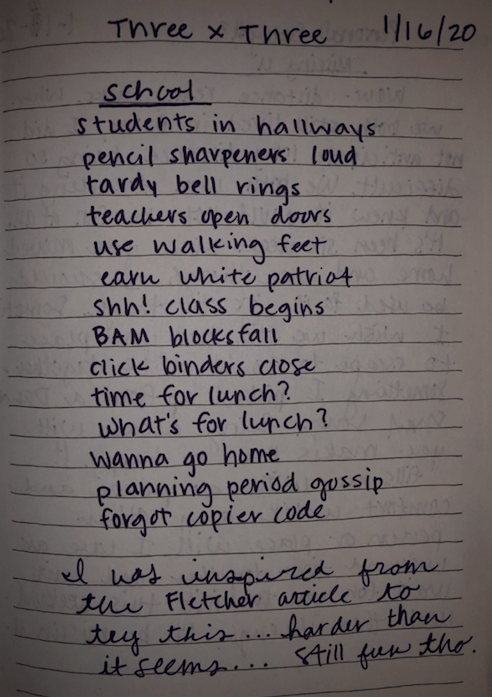
Two key strategies included in the article were:
- Three x Three- takes a list formation
- Write about Your Name- writing about your name in any way you want
Textbook Amy Krouse Rosenthal
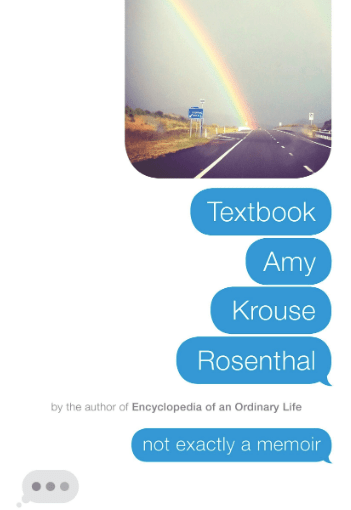
Honestly– this book needs it’s own section because it is brilliant and hilarious! I could not stop reading until the next section once I started. I was captured by the humor and the ability to connect with much of what she was writing about. I think this is the key to reading/ writing right there. Being able to connect to something you read gives you the ability as the reader to write and create something of your own. Connections and memories allow for so many opportunities to write– as adults and for our students. One of the biggest points AKR made, was about the importance of geography in our writing. A single place can bring memories and thoughts or emotions to our minds that we are able to write about.
~~Serendipity~~
“the occurrence and development of events by chance in a happy or beneficial way”
AKR spends a while writing about serendipity- these stories that happened in her life that brought happy and beneficial memories back to her. I was able to reflect on times like this in my life- moments that brought me serendipity. I’m not sure if I believe in coincidences as much as I do divine intervention. One story that comes to mind I was able to revisit was the time I moved into my first apartment. I was standing at the leasing office and they just told me that they had leased all of their two bedroom apartments. Frustrated and defeated, my roommate and I took a moment to think about some options. As we were about to give up and leave, an old friend of mine from high school and her roommate found theirselves in this situation at the exact time in the exact place. Fortunately, the complex had plenty of four bedroom apartments for lease. We all decided to room together and the last two years spent together led to beautiful, life-long friendships. This is a moment in my life I can relate to serendipity.
Important Resources
http://www.sharingournotebooks.amylv.com/
http://www.poemfarm.amylv.com/
https://twowritingteachers.org/
http://www.sharingournotebooks.amylv.com/p/summer-notebooking-try-it.html

 Ms. Wild's Thoughts